

7 E-Waste Disposal Mistakes You're Making (And How to Fix Them)
We've all been there. That old laptop sitting in the cupboard for three years. The microwave that gave up the ghost last summer. The drawer full of tangled chargers for phones you don't even own anymore.
Getting rid of electronic waste (or e-waste, as the cool kids call it) can feel like a proper headache. And honestly? Most of us are making mistakes without even realising it. Some of these slip-ups can harm the environment, land you with fines, or even put your personal data at risk.
But don't worry, we're here to help! At Womblers, we handle Northamptonshire waste disposal every single day, and we've seen it all. So let's walk through the seven most common e-waste disposal mistakes and, more importantly, how you can fix them.
Mistake #1: Chucking Electronics in Your Regular Bin
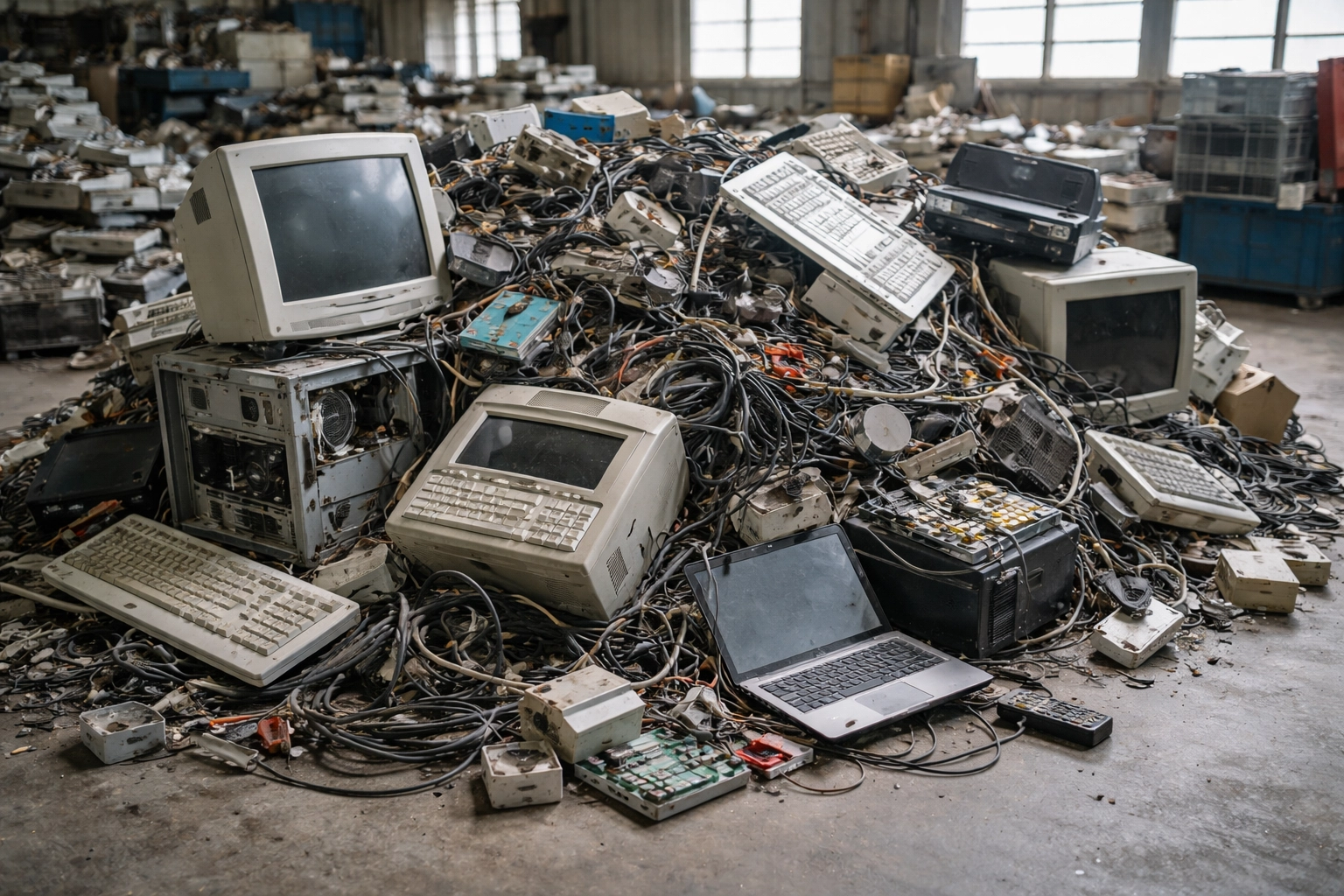
This is the big one, and it's surprisingly common. That broken toaster? The dead tablet? It's tempting to just toss them in the household rubbish and forget about it.
Here's the problem: electronics contain nasty stuff like lead, mercury, and cadmium. When these end up in landfill, they can leach into the soil and water supply. Not great for anyone, especially not your local wildlife or, you know, the planet.
Plus, in many areas, it's actually against local regulations. You could end up with a fine you weren't expecting.
The fix: Always separate your e-waste from general rubbish. Use a proper waste disposal service that handles electronics responsibly. If you've got old appliances like a microwave or toaster cluttering up your kitchen, we can collect and recycle them for you, no stress involved.
Mistake #2: Forgetting to Wipe Your Data First
Picture this: you sell your old laptop or drop off your phone for recycling, feeling pretty good about yourself. But wait, did you actually delete all your personal data?
Simply moving files to the recycle bin or doing a quick format doesn't cut it. Clever people with the right software can still recover your photos, passwords, bank details, and more. Identity theft is no joke, and it happens more often than you'd think.
The fix: Before you dispose of any device, use data-wiping software like DBAN or CCleaner to properly erase everything. If you're donating or reselling, do a full factory reset. And if the device is completely kaput? Physically destroying the hard drive is your safest bet.
For businesses with sensitive information, our confidential waste bag collection service ensures your documents and data storage devices are handled securely.
Mistake #3: Putting Batteries in the Bin (Please Don't!)
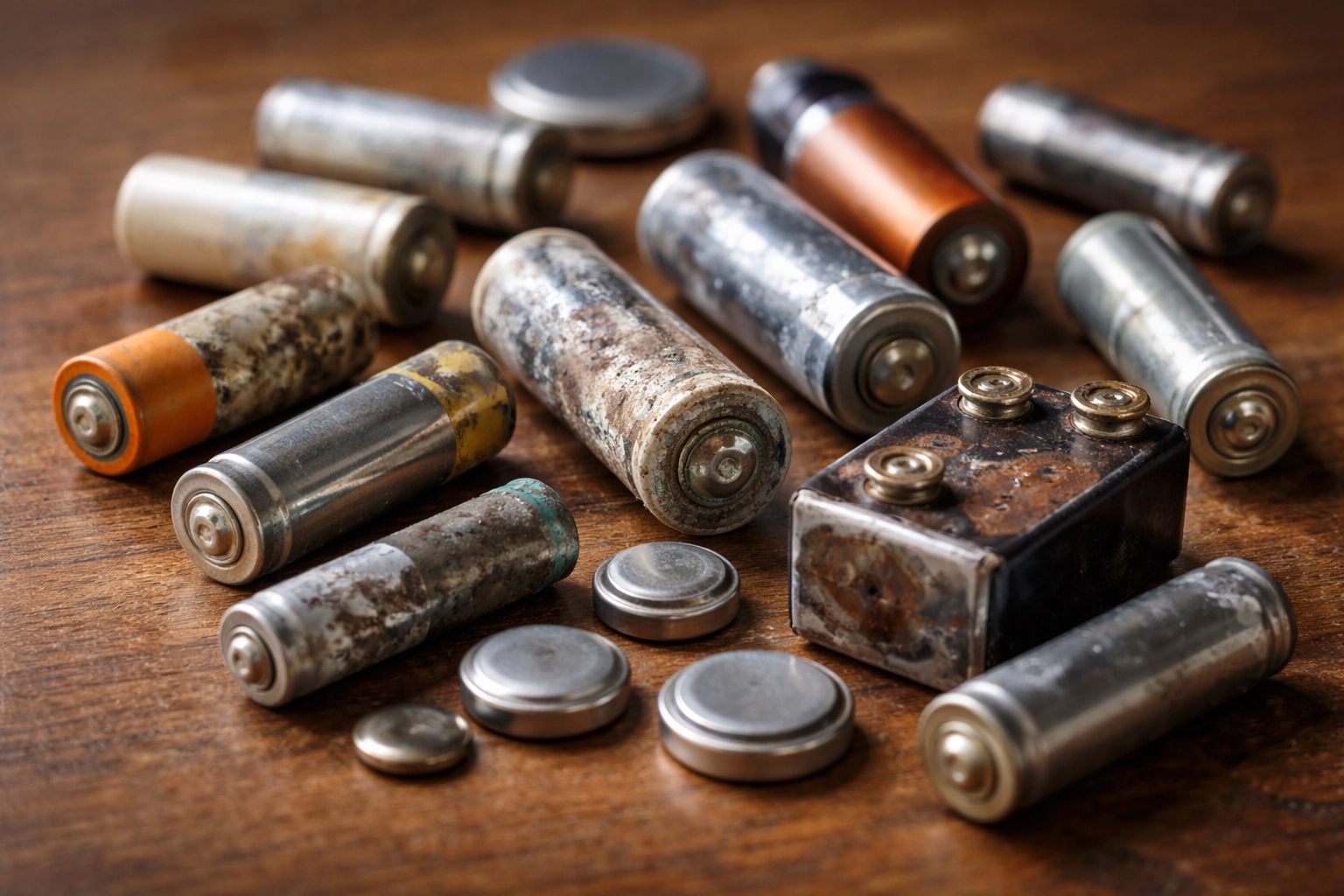
Raise your hand if you've ever tossed a dead battery into the kitchen bin. No judgement here: loads of people do it. But batteries are one of the most hazardous items in your home when disposed of incorrectly.
Lithium-ion batteries (the ones in your phones, laptops, and power tools) can actually catch fire in rubbish trucks or at waste facilities. Regular alkaline batteries leak toxic chemicals into the ground. Neither option is ideal.
The fix: Collect your used batteries in a container at home and drop them off at designated battery recycling points. Many supermarkets and council facilities have them. If you're doing a bigger clearout with lots of electronics, get in touch with us: we'll make sure everything gets recycled properly.
Mistake #4: Letting Old Gadgets Pile Up Forever
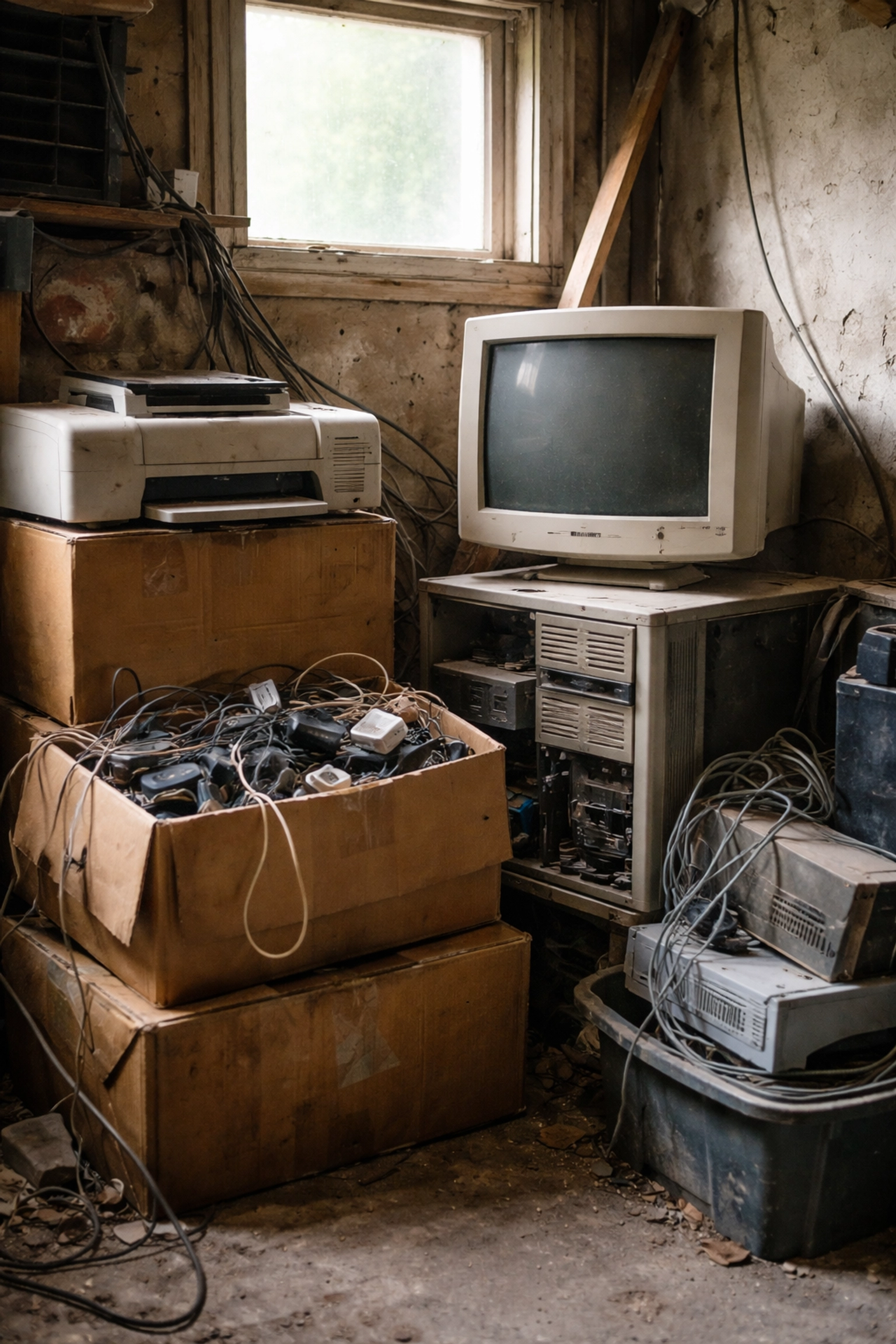
We get it. That box of cables "might come in handy one day." The old printer is "still working, sort of." Before you know it, you've got a graveyard of outdated tech taking up valuable space in your garage, loft, or spare room.
Beyond being a clutter nightmare, hoarding old electronics can become a genuine hazard. Dust buildup, degrading batteries, and cramped storage areas can increase fire risks. Plus, the longer devices sit unused, the harder they become to recycle properly.
The fix: Set yourself a regular clearout schedule: maybe once or twice a year. Create a simple inventory of your electronics so you know what you've got and when it's time to let go. And when that time comes, free e-waste collection services like ours make the whole process painless.
Mistake #5: Using Dodgy Recycling Services
Not all recyclers are created equal. Some uncertified facilities cut corners by shipping e-waste to developing countries, where it's often burned or dumped in unsafe conditions. This creates massive environmental and health problems for local communities: and it means your "recycled" electronics aren't really being recycled at all.
The fix: Always check that your recycling provider is properly certified. Look for credentials like R2 (Responsible Recycling) or e-Stewards certification. At Womblers, we're committed to responsible waste disposal right here in Northamptonshire. When you use our services, you can trust that your e-waste is handled ethically and sustainably.
Mistake #6: Ignoring Local E-Waste Rules
Different areas have different regulations when it comes to electronic waste. Some councils have mandatory recycling requirements, and businesses often face stricter rules than households. Ignoring these regulations: even accidentally: can result in fines and penalties.
The fix: Take a few minutes to research your local e-waste rules. Your council website is usually a good starting point. If you're a business, keep records of how you dispose of electronics: it could save you headaches down the line.
Not sure where to start with Northamptonshire waste regulations? Give us a shout. We know the local rules inside and out and can point you in the right direction.
Mistake #7: Not Keeping Disposal Records
This one's especially important for businesses, but it applies to anyone who wants peace of mind. If you can't prove how you disposed of your e-waste, you could find yourself in hot water if questions arise later.
Without proper documentation, you've got no evidence that sensitive data was destroyed, that hazardous materials were handled correctly, or that you complied with local regulations.
The fix: Keep records of your e-waste disposal: pickup dates, what was collected, and confirmation of proper processing. When you use a professional service like Womblers, we provide documentation so you've got everything on file.
Ready to Sort Your E-Waste the Right Way?
Look, we know waste disposal isn't exactly the most exciting topic. But getting it right matters: for the environment, for your security, and for your peace of mind.
The good news? It doesn't have to be complicated. Whether you've got a single treadmill gathering dust in the corner or a whole office full of outdated equipment, we're here to help.
At Womblers, we offer flexible collection options to suit your needs:
- Individual item pickups for things like microwaves, toasters, and small appliances
- Scrap metal collections for metal-heavy e-waste
- Skip bag options for bigger clearouts
- Commercial waste services for businesses
And here's something we're really proud of: we offer special veteran pricing as a thank-you to those who've served. Just mention it when you book.
So stop letting that old tech pile up. Stop worrying about whether you're doing it right. Head over to womblers.co.uk and let us take care of it for you.
Your cupboards (and the planet) will thank you. 🌍