

Is Free E-Waste Collection Really Free? Here's the Truth
We've all seen those flyers stuffed through our letterboxes: "FREE E-WASTE COLLECTION!" Sounds brilliant, right? That old telly gathering dust in the spare room, the fridge that's been unplugged in the garage for two years, or the tumble dryer that finally gave up the ghost, someone will just come and take it all away for nothing?
Well, not so fast.
The truth about "free" e-waste collection is a bit more complicated than those eye-catching ads suggest. And in some cases, going with an unlicensed collector could actually land you in hot water. Let's break down what's really going on, why proper e-waste disposal matters more than you might think, and how to make sure your old electronics are handled responsibly.
Why E-Waste Recycling Actually Matters
Before we get into the nitty-gritty of costs and licensing, let's talk about why recycling your old electronics is such a big deal in the first place.
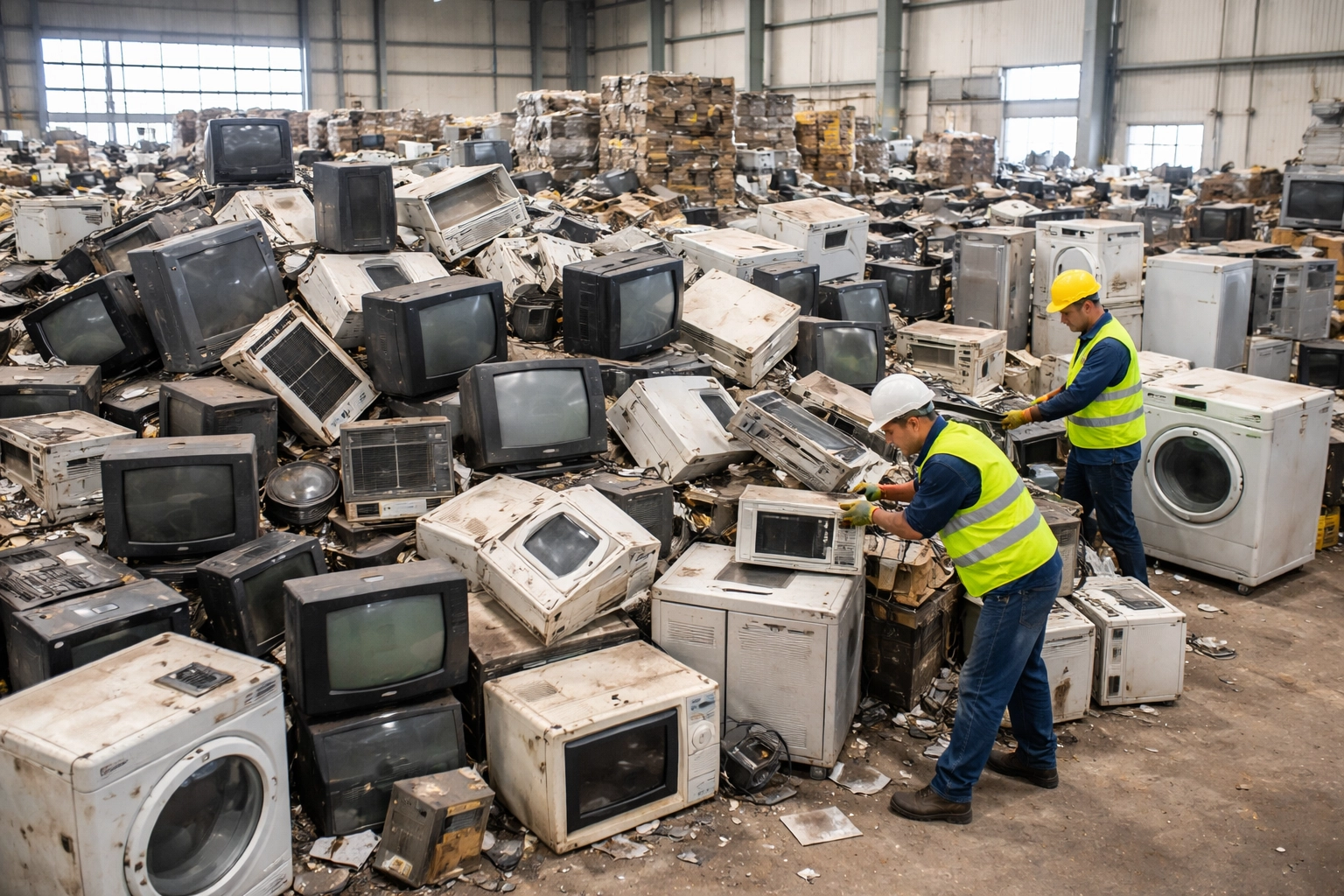
That old fridge sitting in your garden? It's not just taking up space, it contains refrigerant gases that can be seriously harmful to the environment if released. We're talking about substances that can be thousands of times more damaging to the ozone layer than carbon dioxide.
Your ancient CRT television? It likely contains lead, mercury, and other hazardous materials that absolutely shouldn't end up in landfill. Same goes for washing machines, tumble dryers, and pretty much any appliance with electronic components.
But here's the flip side: these items also contain valuable materials that can be recovered and reused. Copper, aluminium, steel, and even precious metals like gold and silver are all hiding inside your old appliances. When e-waste is recycled properly, these materials get a second life instead of being dug out of the ground all over again.
So recycling e-waste isn't just about keeping nasty chemicals out of our soil and water, it's about creating a more sustainable cycle of resources. Pretty important stuff, really.
The Hidden Costs of "Free" Collection
Right, let's get to the question you came here for: is free e-waste collection actually free?
Sometimes, yes. But often, there are catches you won't see until it's too late.
Drop-Off vs. Pick-Up
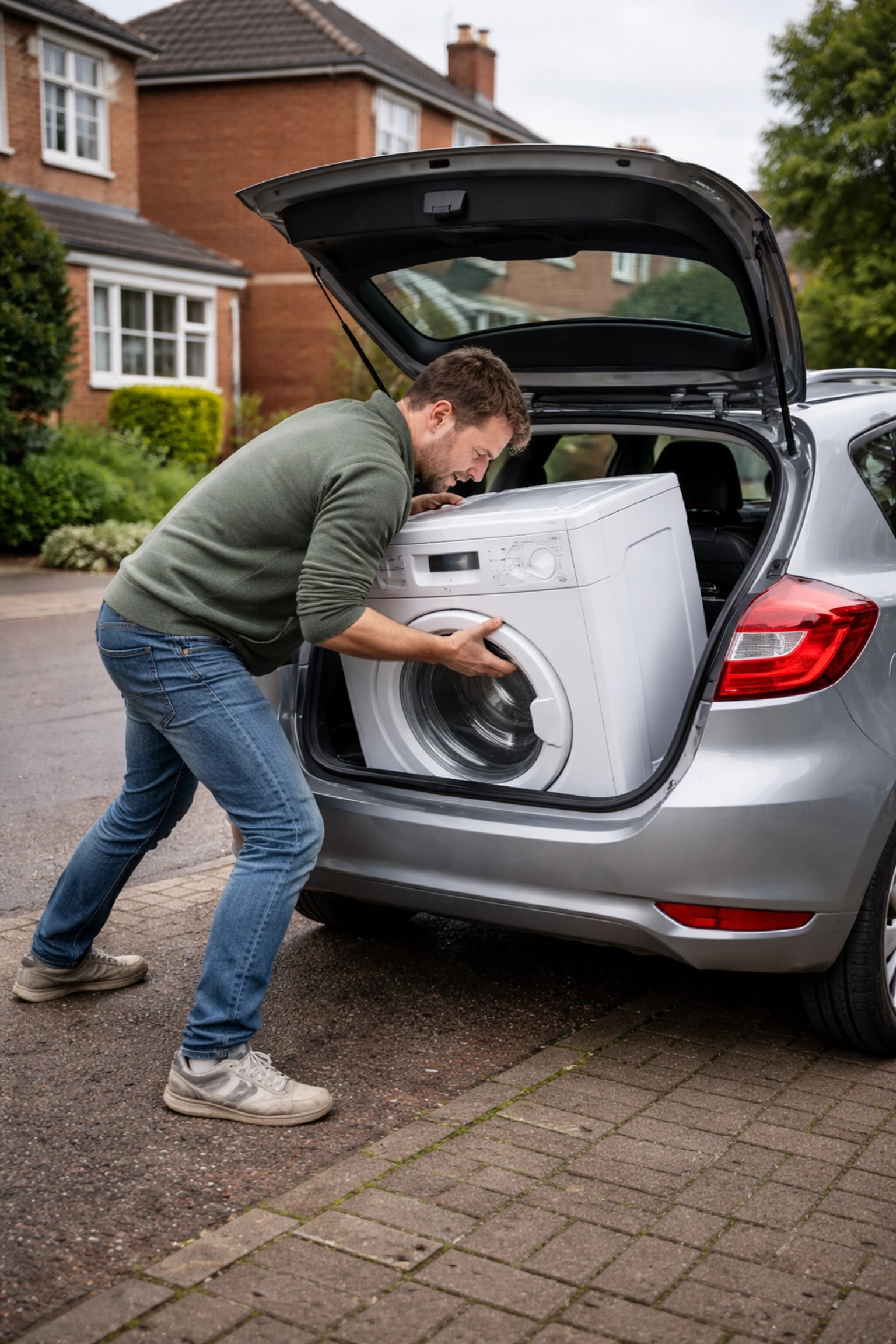
Many local councils and recycling centres offer free drop-off for electronic waste. The catch? You've got to get it there yourself. If you've got a working car and the strength to lug a washing machine into your boot (good luck with that), then sure, it's free.
But if you need someone to actually come to your home and collect the item? That's where costs start appearing. Some services charge £30-50 per large appliance for haul-away, while others have minimum quantity requirements before they'll send someone out.
Specific Item Fees
Here's another sneaky one: some "free" services only apply to certain items. They'll happily take your old laptop or mobile phone for nothing, but try to get rid of a fridge or TV and suddenly there's a fee attached.
This is because items containing refrigerants, cathode ray tubes, or other hazardous materials cost more to process safely. Legitimate recyclers have to pay for proper disposal, and that cost gets passed on somewhere.
The Real Problem: Unlicensed Collectors
Now we get to the serious bit.
Those "free collection" flyers? A fair few of them come from unlicensed operators who aren't registered waste carriers. And this is where things can go properly wrong.
Here's what happens when you hand your old fridge over to an unlicensed collector:
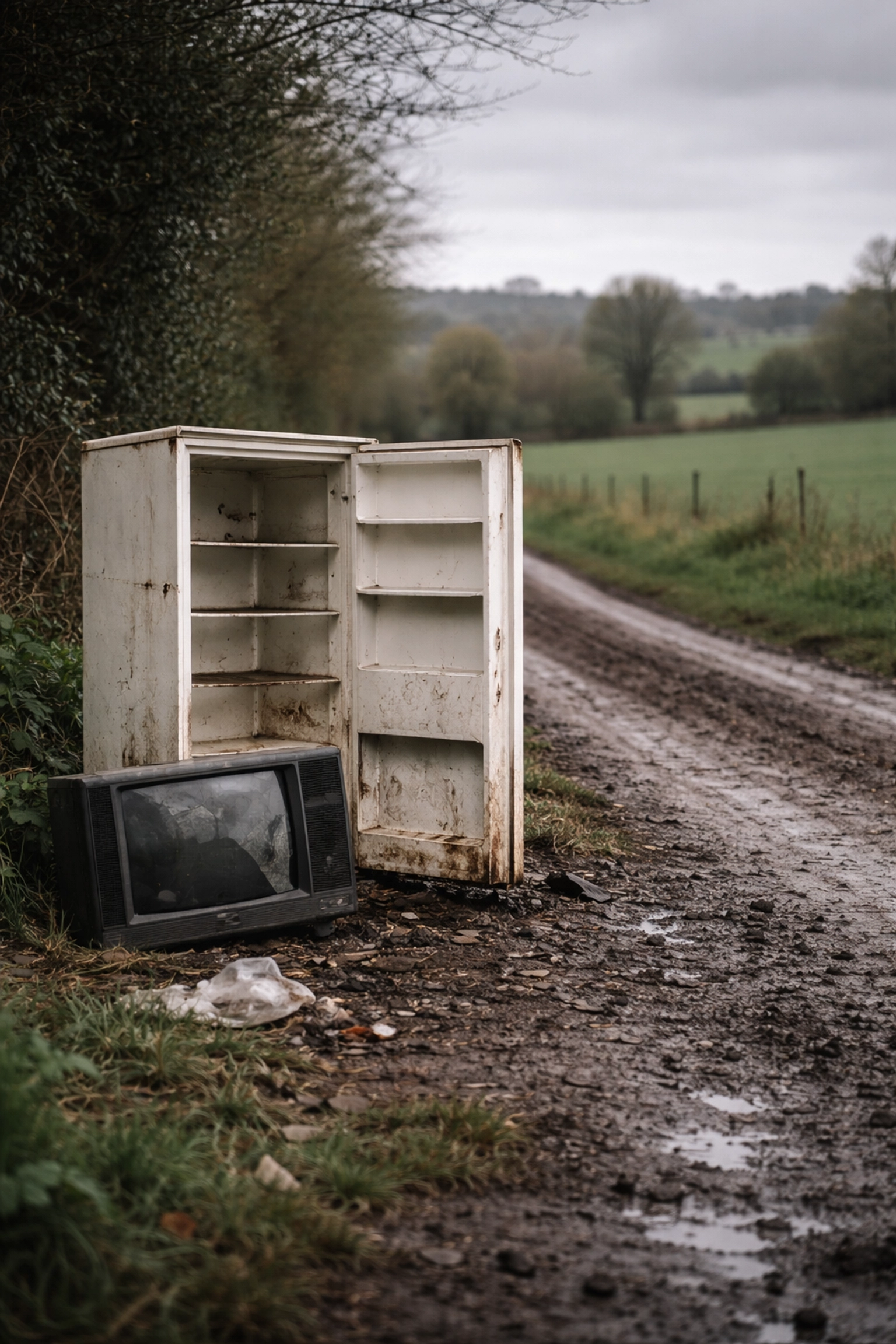
They might dump it illegally. Fly-tipping of e-waste is a massive problem in the UK. Your old appliances could end up in a field, a country lane, or an abandoned car park, leaking harmful chemicals into the environment.
You could be held responsible. Under UK law, you have a "duty of care" for your waste. If your old fridge ends up dumped somewhere and gets traced back to you, you could face fines of up to £5,000 (or unlimited fines if it goes to Crown Court). "But I gave it to someone who said they'd recycle it!" isn't a defence.
The valuable materials don't get recovered. Unlicensed operators often strip out the easy-to-sell metals and dump the rest. The hazardous components that need specialist handling? They end up causing environmental damage instead of being processed safely.
How to Spot a Dodgy E-Waste Collector
So how do you tell the legitimate operators from the cowboys? Here are some red flags to watch out for:
No waste carrier licence number. Every legitimate waste collection company in England must be registered with the Environment Agency. If they can't provide their registration number, walk away.
Cash-only, no paperwork. Proper waste carriers will give you documentation, a waste transfer note that proves your items were collected legally. If someone just wants to throw your stuff in a van and disappear, that's a problem.
Too good to be true. If someone's offering to collect large appliances completely free with no questions asked, ask yourself: how are they making money? The answer is often that they're cutting corners on proper disposal.
Unmarked vehicles. Legitimate waste companies typically have branded vehicles and uniforms. A plain white van with no company details is a warning sign.
The Womblers Way: Licensed, Responsible E-Waste Collection
Right, here's where we come in. At Womblers, we're a fully licensed waste carrier operating across Northamptonshire, and we take e-waste disposal seriously.
What does that mean for you?
We're registered with the Environment Agency. You can check our credentials, and we provide proper documentation for every collection. No dodgy dealings, no risk to you.
We handle hazardous materials properly. Whether it's the refrigerant in your old fridge or the components in your washing machine, we make sure everything is processed according to regulations. No fly-tipping, no environmental damage.
We recycle as much as possible. We're not just dumping your stuff somewhere legal: we're making sure valuable materials are recovered and given a new life.
We collect all sorts of appliances and electronics, including:
- Washing machines
- Microwaves
- Coffee machines
- Extractor hoods
- Hobs
- Toasters
- Fridges, freezers, and tumble dryers
- TVs and monitors
You can see our full range of e-waste collection services here.
Special Pricing for Veterans
We're proud to offer discounted rates for veterans and serving military personnel. It's our small way of saying thank you for your service. Just let us know when you book, and we'll sort you out.

What Should You Do With Your Old Electronics?
So, to wrap things up, here's our advice for getting rid of e-waste responsibly:
- Always use a licensed waste carrier. Ask for their registration number and don't hand over your items without proper documentation.
- Be wary of "free" offers. If it sounds too good to be true, it probably is. A small fee for proper, licensed disposal is worth paying for peace of mind.
- Think about the environment. Your old electronics contain both hazardous materials and valuable resources. Proper recycling makes sure the bad stuff is handled safely and the good stuff gets reused.
- Keep your paperwork. A waste transfer note proves you disposed of your items responsibly. If anything ever comes back to bite you, you've got proof you did the right thing.
Ready to Clear Out Your Old Appliances?
Got a kitchen full of dead appliances or a garage that's become an electronics graveyard? We can help.
At Womblers, we make e-waste collection simple, affordable, and: most importantly: responsible. No fly-tipping, no legal worries, no environmental guilt.
Get in touch today at womblers.co.uk to book your collection, or browse our individual item pickups to see exactly what we can take off your hands.
Because when it comes to e-waste, "free" isn't always better: but doing it right is always worth it. 🌱